

Oh, the Horror!
Horror Is Hot Even for Young Readers

If you’ve been looking at what’s selling to publishers…what’s selling in bookstores…what’s running out of libraries faster than a werewolf…you’ll know that horror for young readers is high on the list.
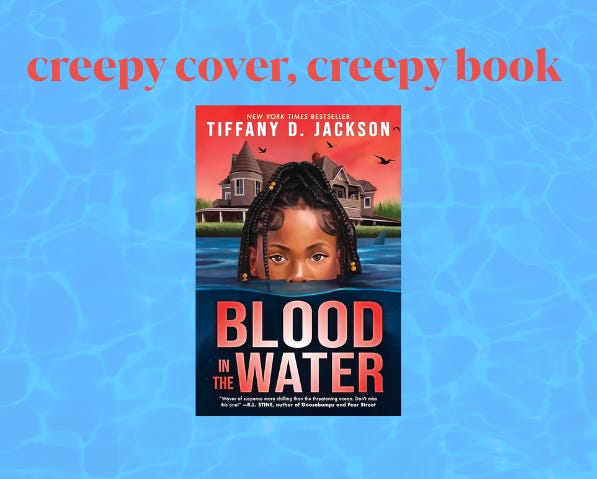
Let’s have a look: Blood in the Water by Tiffany Jackson, this year’s Edgar Award winner; It’s Watching by Lindsay Currie; It Came from the Trees by Ally Russell; The No-Brainer’s Guide to Decomposition by Adrianna Cuevas; The Curse of Eelgrass Bog by Mary Averling; The Clackity by Lora Senf; Out to Get You by Josh Allen; The Haunted States of America (I’m a contributor)…I could go on. Check out the list of authors on Spooky Middle Grade (note: I’m a member of this excellent group.)
Heck, if you’ve been looking – horror is hot in adult film and TV today, and these things do trickle down.
But what is it about these books that young readers are loving?
The Skinny
First, the thrills and chills. The distractions for kids today are immense, and giving young readers an edge-of-the-seat experience is key. Whether it’s adventure or mystery or fantasy, young readers don’t have the patience for slow pacing. Horror pacing, by its very nature, is fast and furiously scary.
Second, books are a safe zone. A child can read a scary book and feel protected. The monster is not really under the bed. Mom and Dad are in the next room. If the story gets to be too much, it can be set aside.
Is There Something Else Going On?
The short answer is, I don’t know. But I’m happy to speculate.
Society in general today seems to be drawn to the fast pace of horror, and maybe also the creepiness factor. I’m not a psychologist but I imagine that when readers look up from the page after reading horror, the things of real life (which, let’s face it, right now are confusing at best) don’t look quite so bad.
And there’s the realization that short and fast-paced is what readers today want. Today’s young readers are the first generation to grow up with TikTok, Instagram stories, YouTube videos. Fast pacing is a part of their thinking. I’m not making a judgement here – just noting a truth. For a superb and a slightly worrisome analysis of this development see this article.
What Does This Mean for Kidlit Authors, Especially Middle Grade?
The translation for authors is not “run out and write a horror story”. But it is in analyzing the pacing and structure that good horror stories provide. I suggest a trip to the library or bookstore and a selection of mentor texts.
Analyze page turns. Chapter endings and cliffhangers. What keeps you reading? How do authors develop characters in horror? What are the jump scares that make you gasp out loud? Now, can you use those techniques without the elements of horror?
How long are chapters in these books (count the pages)? How long are the books themselves? (Note: shorter is important for today’s readers…)
Are the characters alone or are they part of a team? Either way, what are the internal character developments? How do the relationships among characters develop? How does that development relate to the frights?
What about diction and syntax? Short sentences are breathy and move faster. Word choices can affect mood and atmosphere and consequently pacing. Analyze a page or two from your mentor texts – how do these authors use grammar?
Study the antagonistic force. How scary is it? How deeply developed? How ephemeral, and does that quality add to the fright factor?
More For You
If you need some help with pacing, which I think is an essential thing to examine in your work today whether it’s horror or whatever genre, you may find help in my short course Raise the Stakes. It supplies exercises and analyses of pacing and ways to create tension in your stories.
And you can find all my other courses here.
Happy horror hunting and as always, please keep writing, no matter what your genre choice!!
I like how you go beyond explaining why horror is popular and focus on the craft behind it. The pacing and tension insights feel useful for writers in any genre, not just horror.
Do you think today's readers want faster stories because of changing attention spans, or because the world itself feels faster?