

A Writer's Template
How to Create Your "Novel Year"

Happy 2026, Dear Readers!
Oh, the simplicity of writerly advice! The things that experienced writers will tell you, without explanation.
Like:
“Write 1000 words every day.”
“Butt in chair.”
“Read, read, read.”
Worse yet is the advice to “just write”. Or the stories related by published writers who can’t really pin down their process and instead say with a vague wave of hands, “I just wrote it. I didn’t think about it.”
Okay, great. Not helpful at all.
The aphorisms don’t really help you, especially newer writers, to learn the art and craft and most of all to generate the tenacity of writing a real book.

If you want to write a novel/picture book/short story collection (or revise it) in 2026 there are actually concrete things you can do to get that big job done.
Let’s Start with You
There’s a little exercise I like to lead beginning writers through because I think it can help to keep you motivated in what will be a long sometimes difficult process.
First, answer this: rather than wanting to be “a writer”, what is it that you want to write? What do you want to say to the world? Can you put this idea into a simple expression, like “I want to help heal someone who suffers a loss” or “I want to make kids laugh”.
Start with the words “I want…”
Next, think about what you want to say to the world again, but this time ask yourself why? What drives you to say this thing? What internal need will it satisfy for you to express this idea from my first question above? What personal experience has led you to want to give the world this gift from your heart?
Start with the word “because”.
Type out one sentence that expresses this feeling. The shorter this sentence, the better. It should make you quiver with excitement every time you read it. If it doesn’t, keep working on this exercise until you nail it down.
As in, “I want to help heal someone who suffers a loss because of the loss I’ve suffered.”
How to Put Your Feelings into a Form
Note that every kind of writing (meaning every form of expression) does a different kind of “work”, all equally important.
This essay, for example, is driven by a little pedagogy, and a lot of experience – something like a map, in visual terms. Poems are abstract expressions of ideas, like a Picasso. Short stories are like small Impressionist paintings. Epic space operas are like grand Renaissance murals. You get the idea.
Answer this: What’s the best mechanism for you to say this thing – poetry? Novel? Essay? Picture book? Etc.
If you can’t answer this question easily, go explore these forms but not in a simple “read, read, read” fashion; go analyze a pile of picture books. Take apart a collection of poems or short stories. How do the writers use language? How do they use punctuation? Dialogue? Description? What do they sound like if you read them aloud? Be sure you’re looking not at classics, as great as they may be, but at very recently published work.
These exercises are called “finding your why”, but they also prompt you to consider the form in which your idea will fit. Maybe it’s not a novel; or maybe it’s a graphic novel.
Whatever the form, it must be a container for what’s deep in your heart.
You and Your Words, Alive
To make 2026 (or any year wherever it starts in your mind) your “novel” (that’s a stand-in for any form of writing) year, don’t make yourself crazy with goals. Take that typed-out “why” and stick on the wall above your computer or on your desk. Frame it if you like. Put it in fancy typeface. This is your guiding light.
You’ll be surprised at what you discover with these two simple exercises. Your need to express this very personal idea will drive you to write even when you don’t want to.
Keep writing, my friends. It’s all worth it.
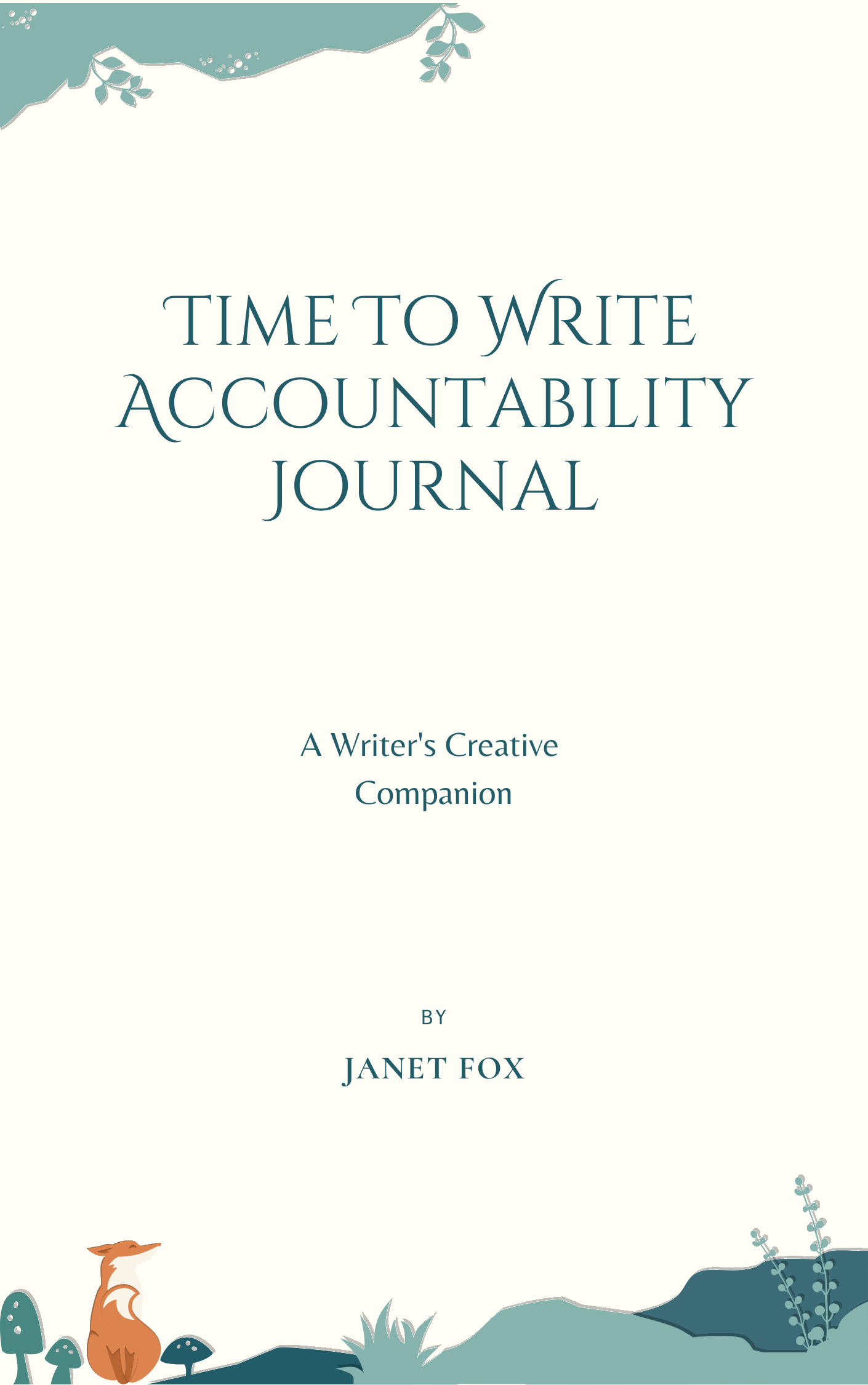
Need a hand? I have an Accountability Journal just for writers, and it’s not just about goals, but about strategies. Here’s where you’ll find it.
Just what I needed to see today! Thank you!!
Such simple, helpful advice!